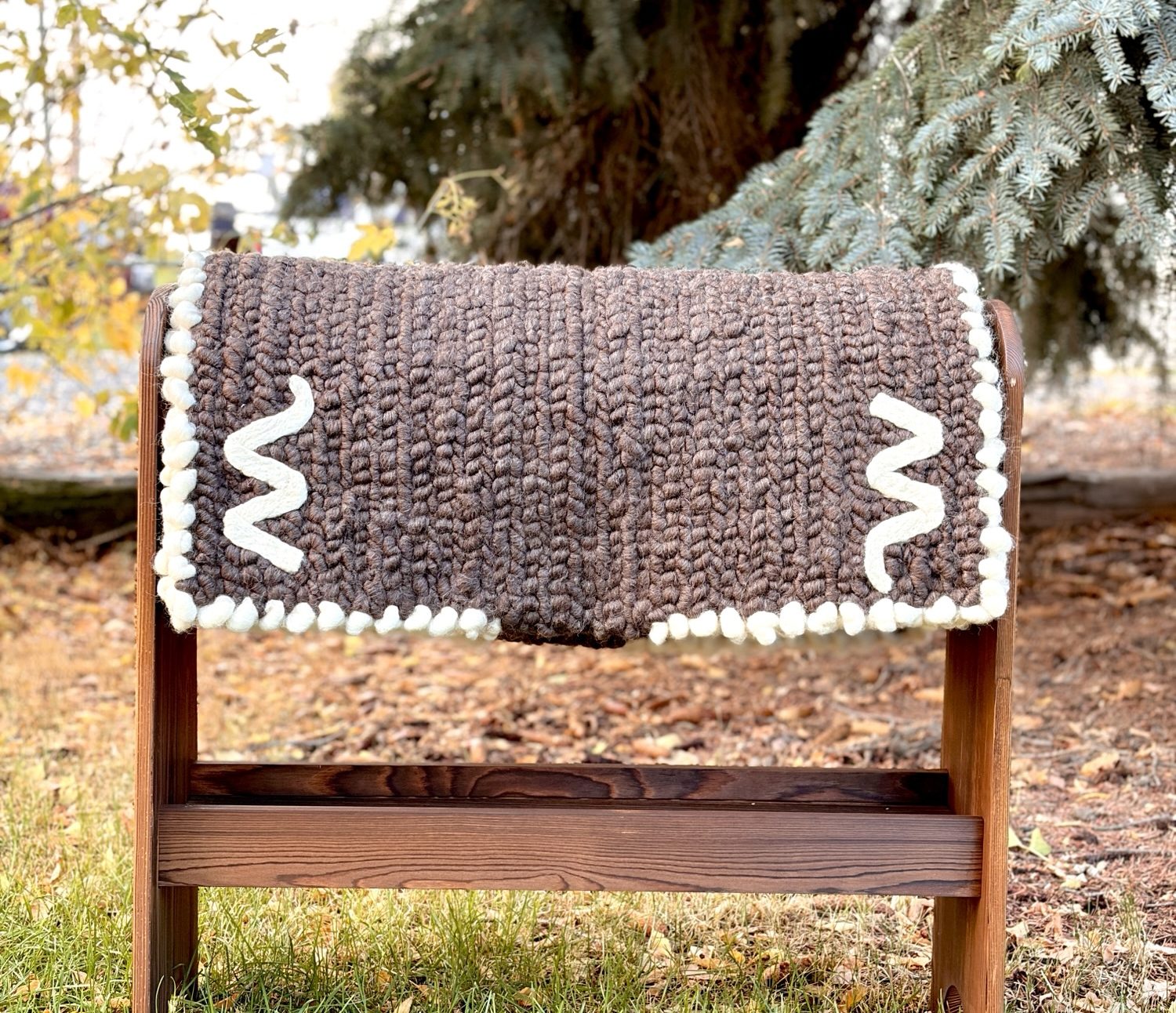
Pulled Wool Saddle Pads
Built by hand. Made to be used.
Each of our pulled wool saddle pads is made by hand using traditional pulled wool construction. Whether you choose a ready-made design or order something custom, every pad is built with care and made for real use.
EXPLORE PULLED WOOL PADS
About Pulled Wool | Why Wool? | Understanding Pad Thickness | Meet Your Maker | Break-In Guide | Care & Cleaning | FAQs
Due to high demand for custom orders, available pads have been pushed to back order status at this time. Please check back soon!
Previous Orders
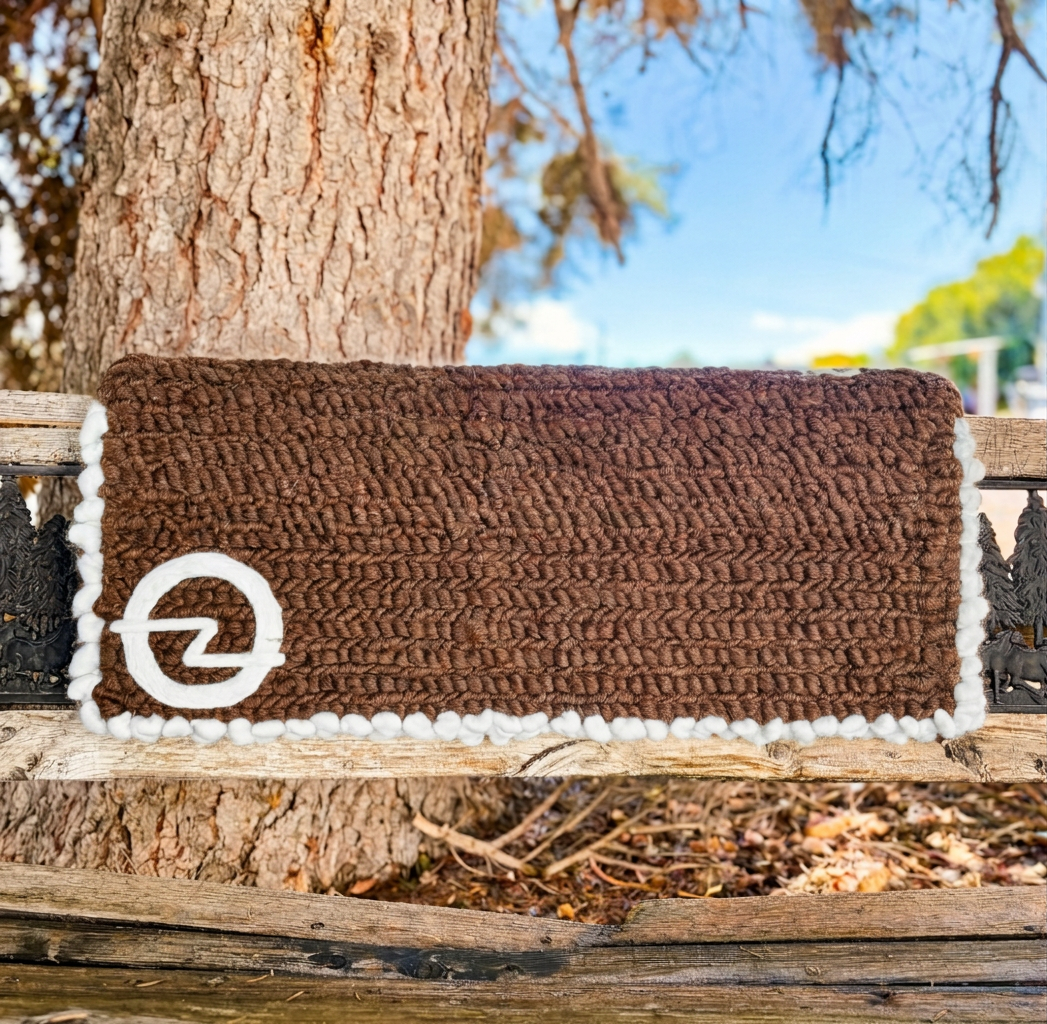
30 x 32 “Cookies & Cream”
2026, UT
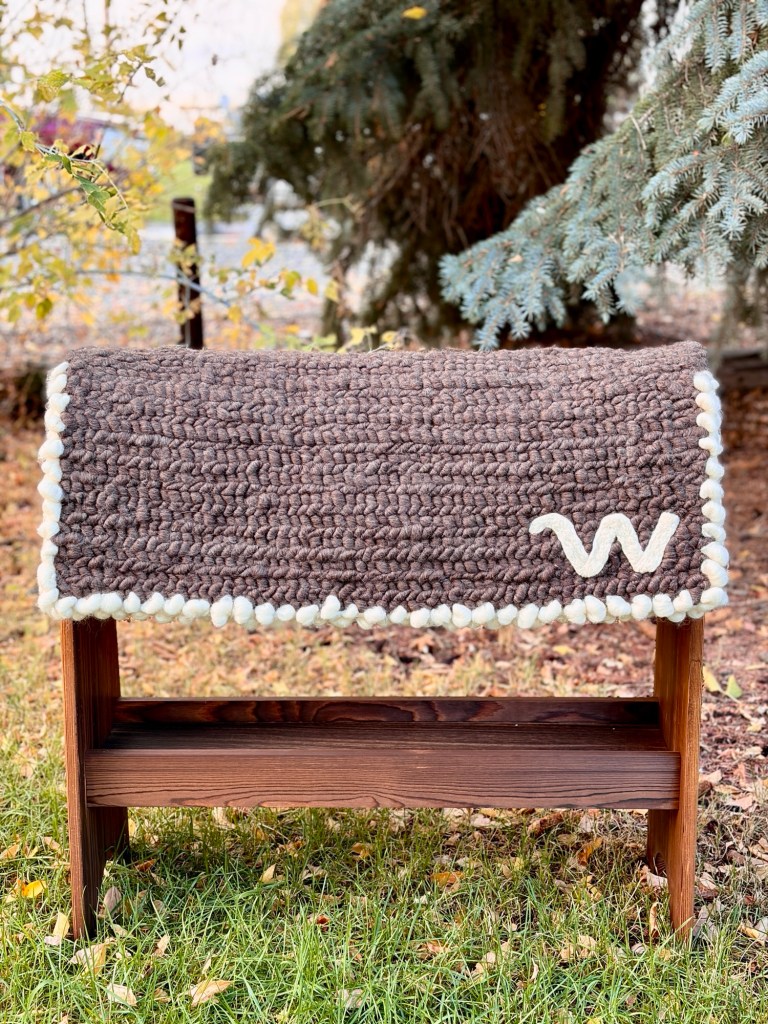
30 x 32 “C&C”
2026, TX
Have Something Else In Mind?
Looking for a particular size or design? Custom pulled wool saddle pads are available by order. Choose your size and colors, tell us what you have in mind, and we’ll work with you to create a pad made specifically for you.
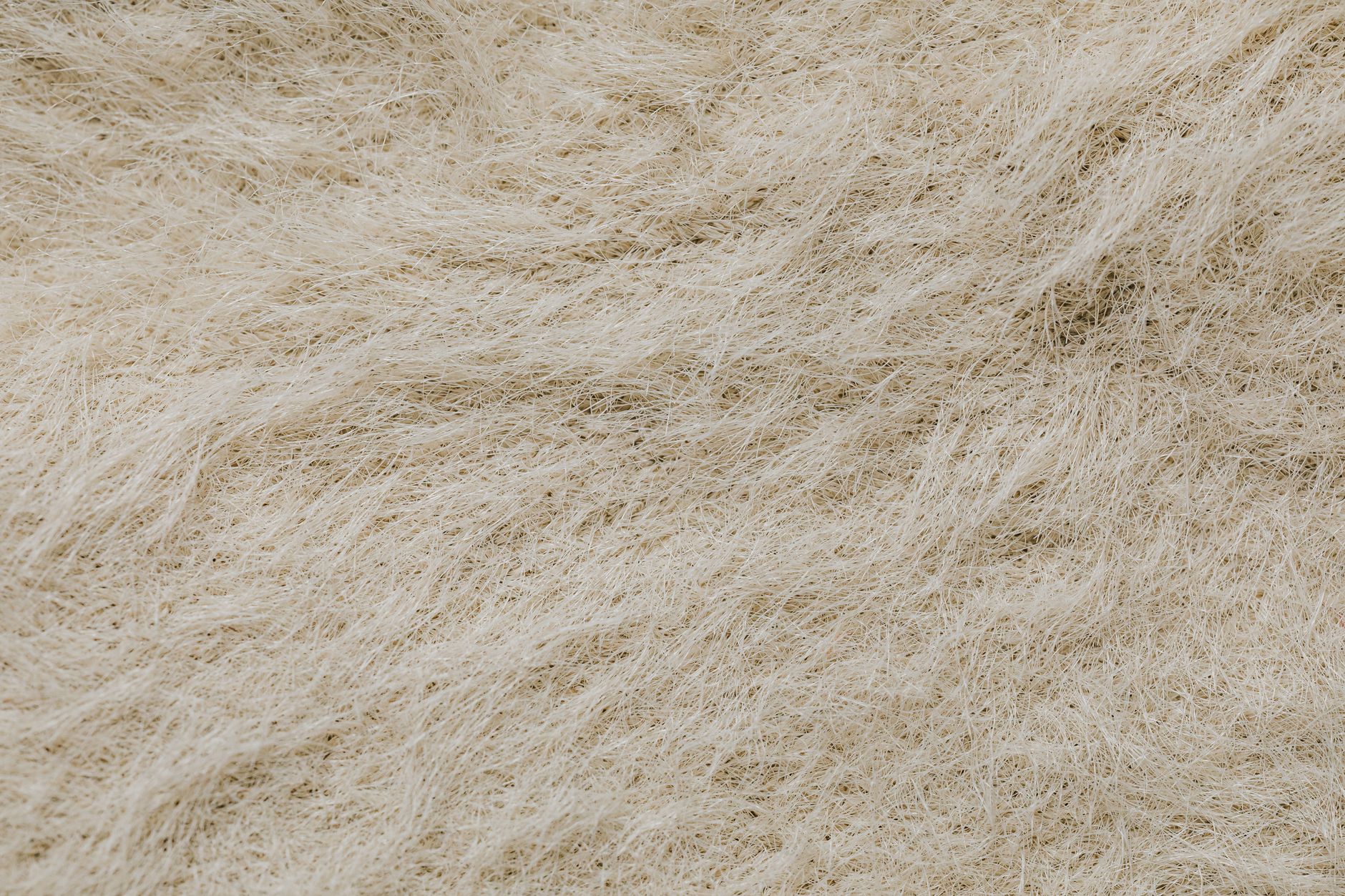
What Is Pulled Wool?
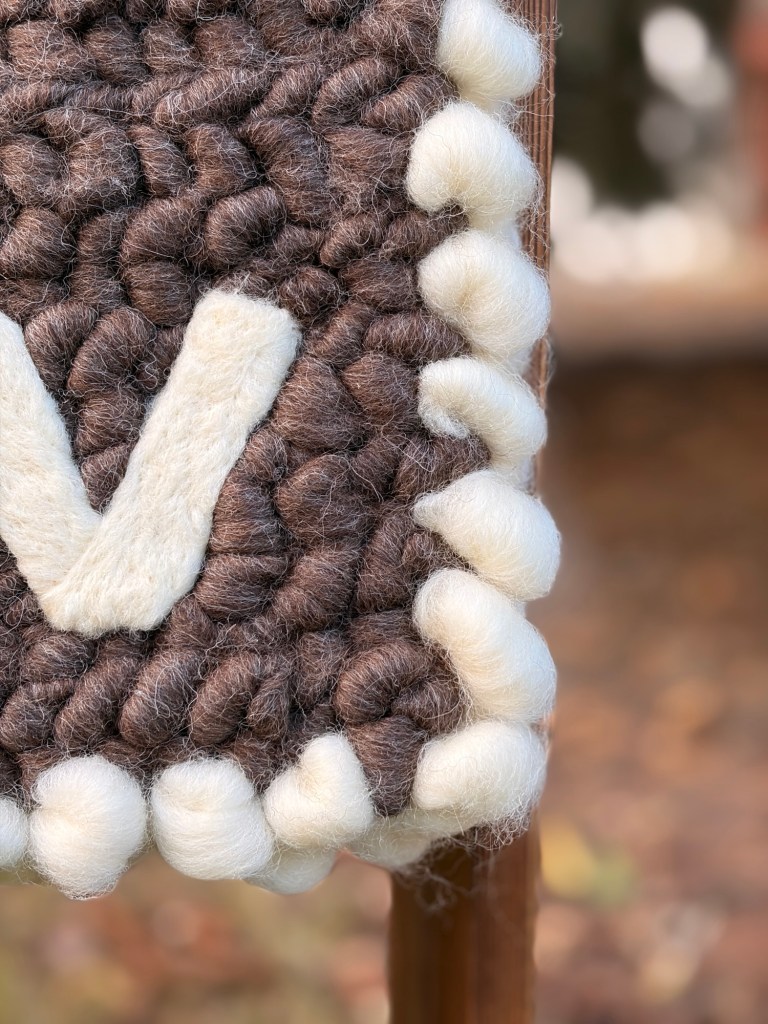
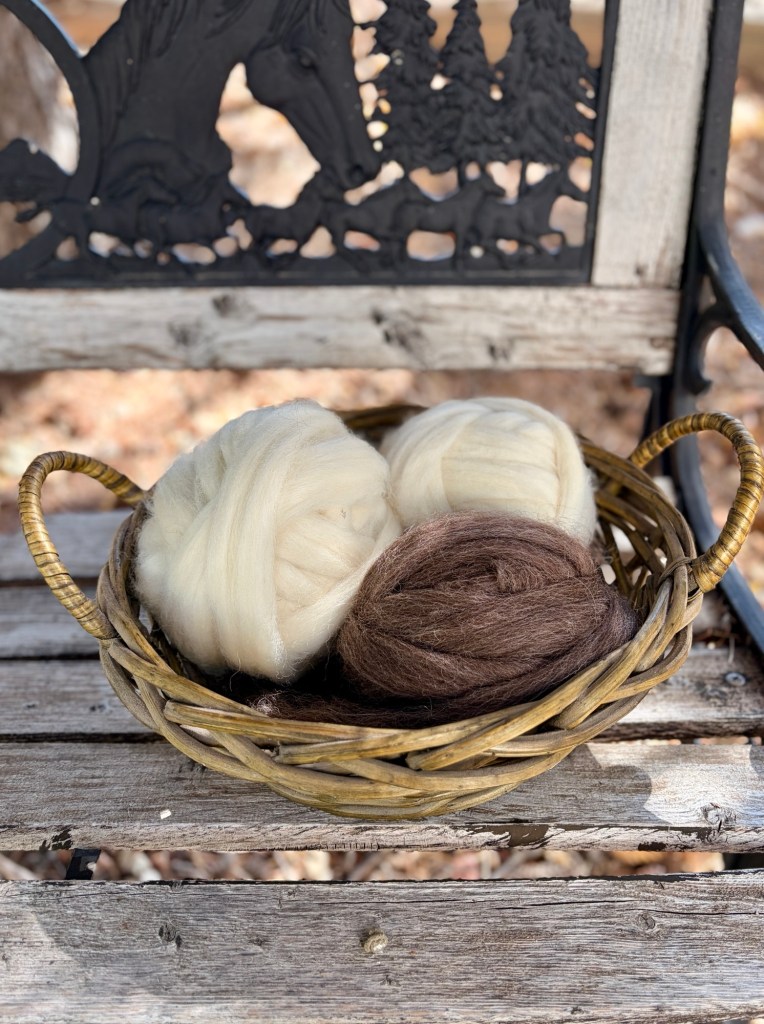
Pulled wool saddle pads are made by hand using thousands of individual loops of wool roving. Each loop is pulled through the pad foundation one at a time, creating a thick layer of natural wool between your horse and saddle.
When a pad is brand new, it will be considerably thicker than it will be once broken in. Through normal use, the wool begins a mild felting process, allowing the fibers to settle, compress, and gradually contour to your horse’s back. The result is a pad that becomes softer and more flexible with use while maintaining the natural benefits of wool.
Made one loop at a time.
A typical 30″x 32″ pulled wool pad can contain roughly 3,600 individually pulled loops.
Why Wool?
There’s a reason wool has been used in quality horse tack for generations. It’s a natural, durable fiber that performs especially well between a horse and saddle.
Wool naturally helps manage heat and moisture, pulling moisture away from the wet source while allowing heat to dissipate. Its fibers also contain tiny air pockets that provide natural insulation, helping wool perform across changing temperatures and riding conditions.
The looped construction of a pulled wool pad also creates space throughout the pad rather than forming one solid piece of material. As the pad is used, those fibers compress and begin conforming to the horse underneath them.
100% WOOL
A natural, renewable fiber with properties that make it especially well suited for saddle pads.
MOISTURE MANAGEMENT
Wool naturally wicks moisture away from the horse’s back.
TEMPERATURE REGULATION
The structure of wool helps insulate while allowing heat and moisture to move through the fibers.
CONTOURS WITH USE
As your pad breaks in, the wool compresses and begins taking on the contour of your horse’s back.
A note about saddle fit: No saddle pad can compensate for an improperly fitting saddle. A quality pad should work together with a properly fitted saddle, not be used to correct significant saddle-fit problems.
Understanding Saddle Pad Thickness
When it comes to saddle pads, thicker isn’t always better. The right thickness depends on your horse, your saddle, and how the pad is constructed. Adding more material doesn’t automatically mean better pressure distribution or a more comfortable fit.
In this video, I share my thoughts on saddle pad thickness and why I prefer a more compact pulled wool pad for my own horses.
Meet Your Maker
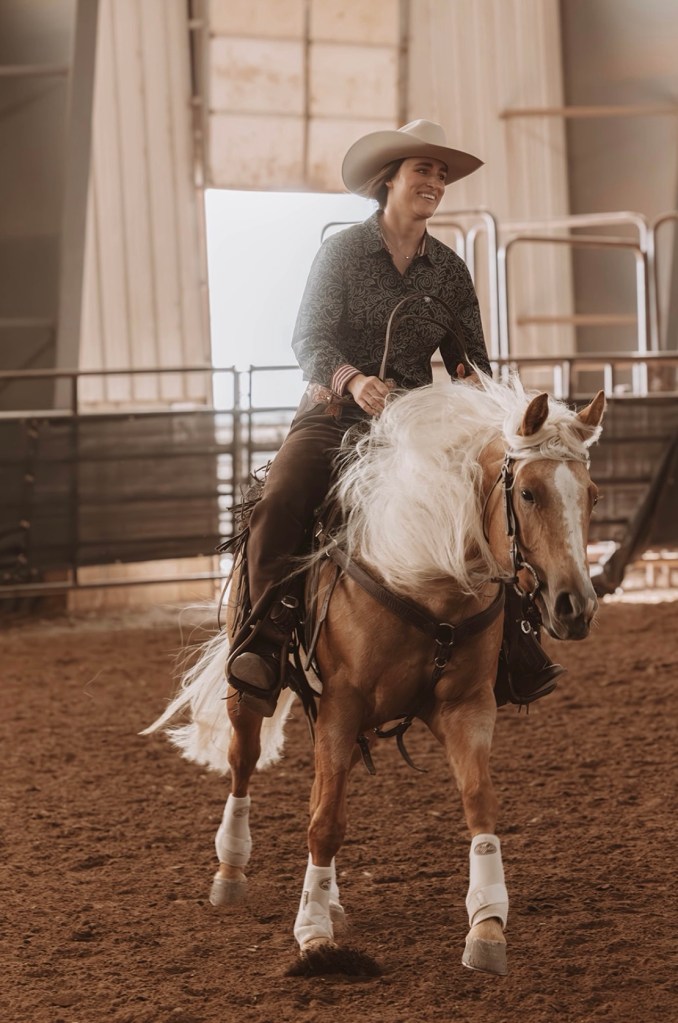
I’m Karlee, the hands behind every pulled wool saddle pad made here at The Golden Horse.
Horses have been a part of my life for more than 17 years. From growing up riding and competing in 4-H and queen competitions to working with performance horses and competing in reined cow horse events, I’ve spent countless hours in the saddle. Through those experiences, I’ve developed a deep appreciation for quality equipment and the difference it can make for both horse and rider.
I’ve been riding in pulled wool saddle pads for years, long before I ever started making them myself. Over that time, I’ve come to appreciate the natural properties of wool, the way these pads break in and conform with use, and the craftsmanship behind their construction. They’re a product I’ve personally chosen to use on my own horses, and that experience is what inspired me to begin making them.
When I started making my own pads, I wanted to combine the functionality I had come to appreciate with simple, timeless designs. My goal was to create something that was not only beautiful but also practical enough for everyday riding, working cattle, and competing.
Every pad I make is pulled by hand, one loop at a time. It’s a slow, detailed process, but I take pride in creating something that I would be happy to put on my own horses.
These aren’t just saddle pads I make and sell. They’re saddle pads I’ve believed in and used for years, and I’m proud to share them with other horsemen.
Breaking In Your New Pad
Your First Few Rides
Your pulled wool pad is designed to change with use. When it first arrives, the wool will be thicker and much less compact than it will be after it has been ridden in.
During the first several rides, the fibers begin to compress and lightly felt together. The pad becomes more flexible and starts taking on the contour of your horse’s back. This is a normal and important part of breaking in a pulled wool pad.
During the Break-In Period
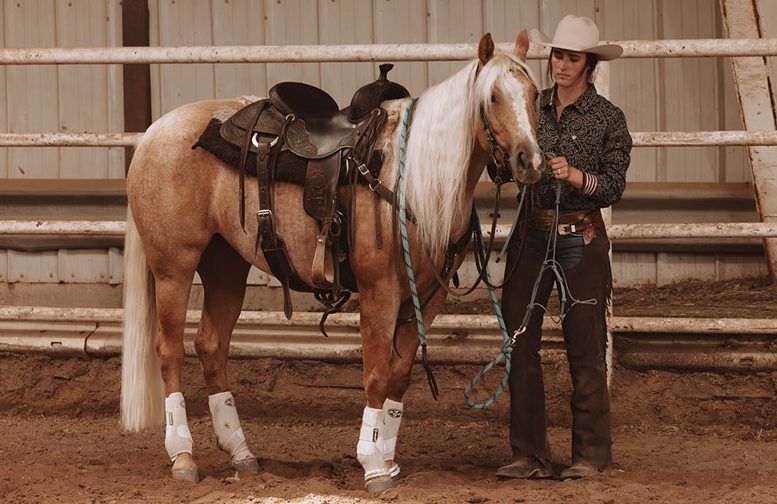
We typically recommend allowing 3–10 rides for the initial break-in process, depending on your saddle and how long and frequently you ride.
During these first rides, use a good, secure cinch and check your cinch approximately every 15–20 minutes, tightening when needed. Because the wool is still settling and compressing, you may notice some movement during the first few rides. Some pads hardly move at all, while others need a little more time to settle in.
Give it time. Your pad isn’t supposed to feel on ride one the way it will after weeks or months of use. The wool will continue to settle, soften, and conform as you ride.
Caring for Your Pad
The good news? You don’t need to obsess over keeping your pulled wool pad spotless.
Wool doesn’t require constant washing, and some riders choose to do very little cleaning at all. In fact, with regular use, a pulled wool pad can continue molding to the horse’s back as the fibers settle and felt together. The important thing is keeping an eye out for excessive buildup that could become uncomfortable against your horse.
For Everyday Care
After riding, allow your pad to air dry completely with plenty of ventilation around it. Store it top-side up and avoid putting it into an enclosed container while it is still holding moisture. Wool needs airflow, and proper drying and storage will help preserve your pad.
For loose hair and debris, you can simply remove it as needed. Some riders use a shop vacuum, while others find that very little routine cleaning is necessary.
When It Actually Needs Cleaning
If dirt and debris have built up enough that you’d like to wash your pad, keep it simple.
Use a garden hose with cool water and gently work loose hair and dirt from the underside of the pad. A rubber curry can help loosen buildup. Avoid detergents, solvents, and pressure washers.
Once rinsed, hang the pad over a sturdy, non-rusting rail or fence and allow it to air dry thoroughly. Because wool holds a significant amount of water, expect the pad to become very heavy when saturated. For that reason, the source maker recommends hosing rather than completely submerging the pad.
DO
Let your pad breathe and air dry after riding.
Remove excessive hair or debris when needed.
Use cool water for deeper cleaning.
Store your pad somewhere dry and well ventilated.DON’T
Pressure wash your pad.
Use detergent or harsh cleaners.
Store a damp pad in an airtight container.
Feel like you have to wash it constantly.
FAQs
Usually around 3–10 rides, although every horse, saddle, and riding schedule is different.
Some movement can happen while the wool is settling during the initial break-in period. Use a secure cinch, check it regularly during those first rides, and give the wool time to compress and begin conforming.
As often as necessary, which may not be very often at all. Pulled wool pads don’t need to be washed after every ride. Let the pad dry thoroughly and remove excessive debris as needed.
No. Use a regular garden hose with cool water when deeper cleaning is necessary.
No. A new pulled wool pad is intentionally much thicker than a broken-in pad. With use, the wool compresses substantially as the fibers settle and lightly felt together.
No. A saddle pad should complement a properly fitting saddle, not compensate for one that doesn’t fit your horse.
Yes. Custom pads can be made in different sizes and color combinations.
I tell most people it can take up to 6-8 weeks from the time you put in your order, to the time it shows up on your doorstep! This time frame can vary based on design difficulty, how many orders I’m working on, and the time of year! When you place an order, I’ll give you an estimated wait time for your pad specifically.
I ship through USPS Ground advantage. Depending on the size and weight of your pad, as well as your location, shipping AND insurance combined can cost between $40-$60. Buyer is required to pay for these costs before pad is shipped. Please see our Shipping Policy page for more information!

